San Gregorio Armeno: the complete guide
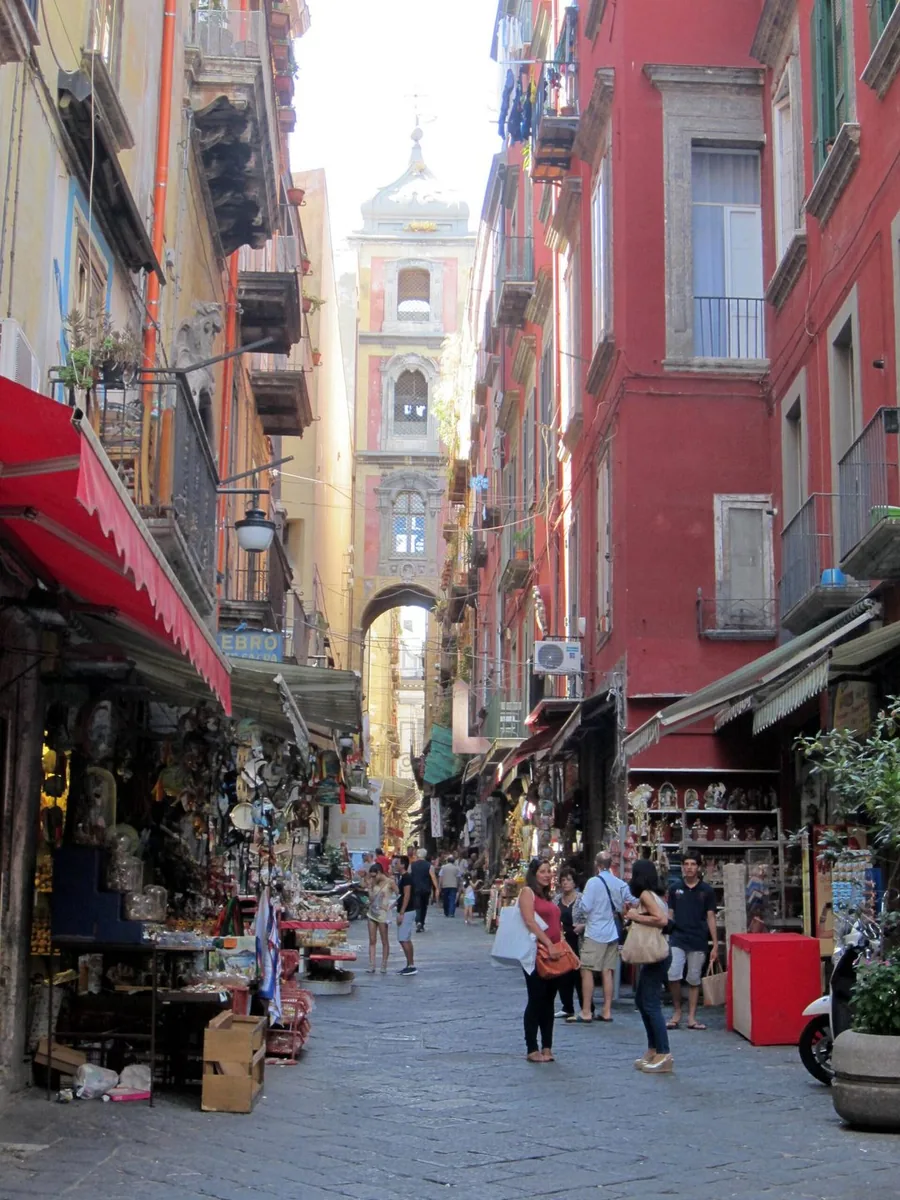
San Gregorio Armeno is a public street about two hundred metres long in the historic centre of Naples, running downhill from Via dei Tribunali to Spaccanapoli. It is free, it has no gate and no closing time, and the nativity workshops on it trade all year, not only at Christmas. At number 1 is the church and cloister of the same name, behind the arch the bell tower throws across the lane. Every guided tour listed here walks the street. None of them goes inside the church.
My grandfather bought one figure from the same bottega every December for forty years, which is why I can tell modelled terracotta from moulded resin at a glance and why I am not sentimental about what the street has become. Two things catch people out, and the price is neither: the street is free and takes ten minutes, and the door most people walk past is the part worth an hour.
Working out what to book?The lane itself is free and never sold out — you can walk it at eight in the morning with nobody in it. What does sell out is the Cappella Sansevero slot next door, and what you cannot buy at the door is somebody who can tell you why the street is there at all. Both come bundled into the walking tours below, cancellable free up to 24 hours ahead.
See what the tours costTwo things wearing one name
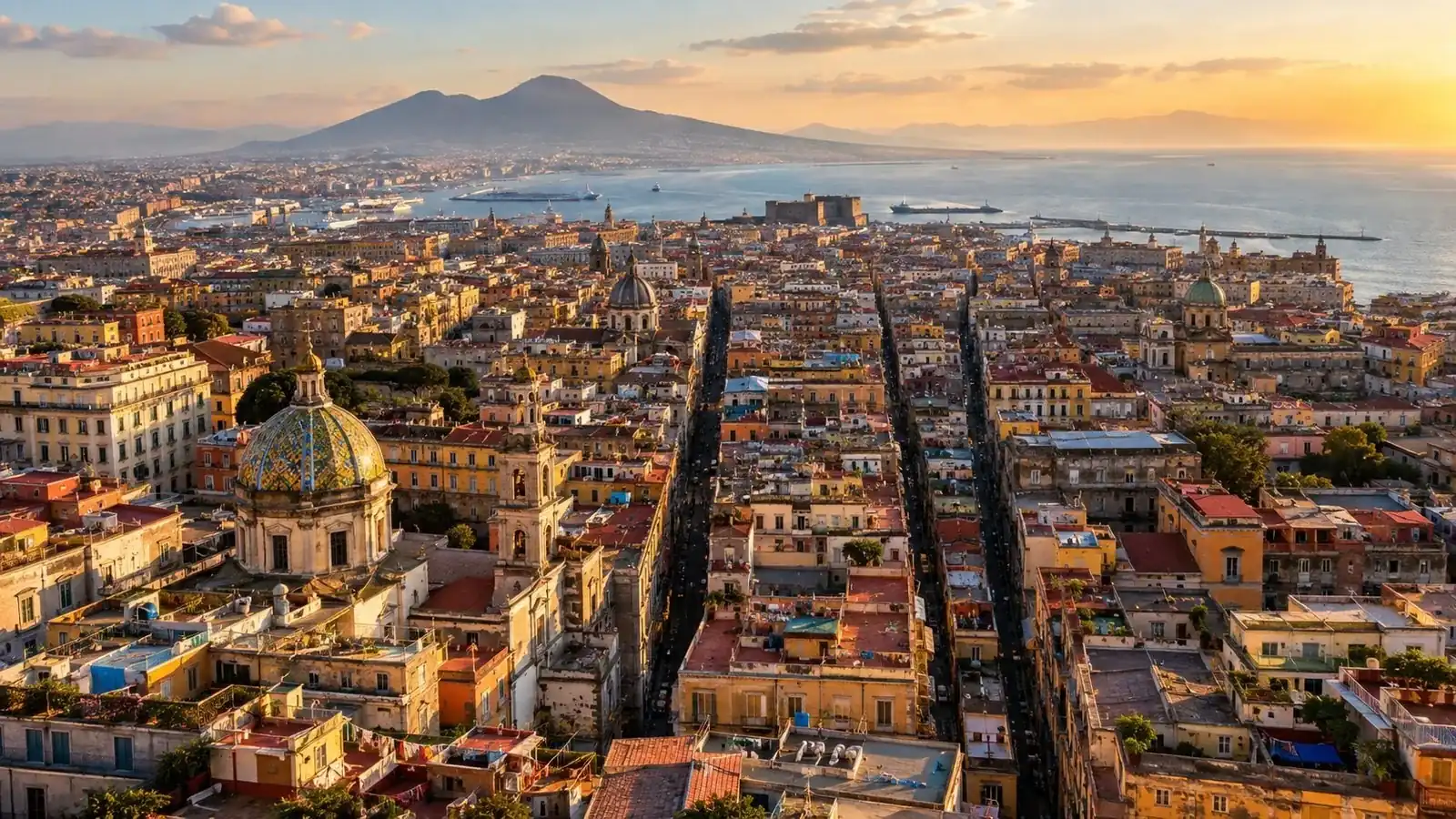
San Gregorio Armeno is a street and it is a church, and almost everything written about it covers only one of them. The street runs about two hundred metres downhill from Via dei Tribunali at Piazza San Gaetano to Via San Biagio dei Librai, the stretch of Spaccanapoli at the bottom. In the Greek street grid of Neapolis it was a cardo, one of the short lanes crossing the three long decumani, and an earlier name recorded for it is plateia nostriana. Tradition puts a temple of Ceres here, with citizens leaving small terracotta votive figures made in workshops nearby. No excavation report confirms it.
The church and cloister are at number 1, under the arch the bell tower throws across the lane. Armenian nuns fleeing Byzantine iconoclasm reached Naples in the 8th century carrying relics of St Gregory the Illuminator, and four oratories were unified into one Benedictine monastery in 1009. It is not Benedictine now: the Suore Crocifisse Adoratrici dell’Eucaristia replaced them on 4 December 1922 and still hold the complex, with a school attached. Inside are 62 fresco scenes by Luca Giordano, a gilded coffered ceiling, the nuns’ choir, and a cloister with a marble fountain of Christ and the Samaritan Woman attributed to Matteo Bottiglieri. The church and cloister has the hours, which conflict, and the telephone number to use instead.
What the street actually is, and how long it takes
Ten minutes, if you do not stop. It is a public lane: no gate, no ticket, no closing time, and the workshops trade roughly 09:00 to 20:00 all year, not only at Christmas. Nobody has counted the workshops. There is no official figure, only dozens, so treat any number you are handed as decoration. What the street will not do is explain itself. A wall of terracotta figures is a spectacle for four minutes and then becomes wallpaper, which is the whole argument for reading something first, or walking it with somebody who knows why it is there. The Neapolitan presepe covers the 18th-century Bourbon golden age these figures come out of.
December, and the one-way street
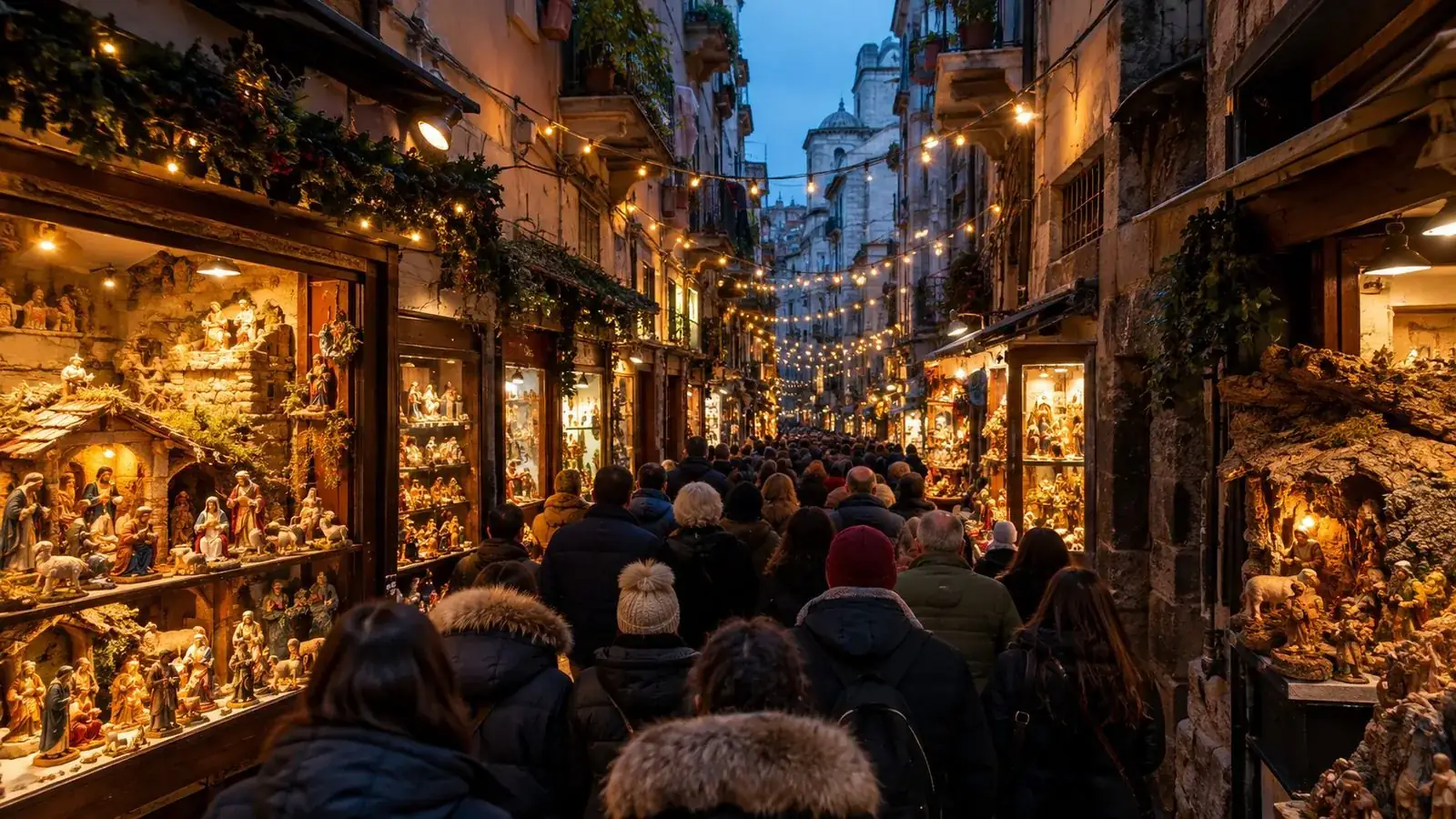
For about four weeks each December the lane is full enough that the Comune di Napoli imposes a senso unico pedonale, a one-way pedestrian flow. It is not a closure. In 2025 the ordinance ran 28 November to 23 December, 09:00 to 20:00 on listed days, and the direction reversed mid-season: uphill from Spaccanapoli in late November and early December, downhill from Piazza San Gaetano in the weeks after. No 2026 ordinance had been published when I last checked, and a later ordinance has suspended the system before now. The dates and the direction change, so check comune.napoli.it before you travel. Press reports speak of tens of thousands on peak days; no counted total exists, so I will not print one. When to come makes the case for an ordinary Tuesday in March.
Telling a bottega from a souvenir shop
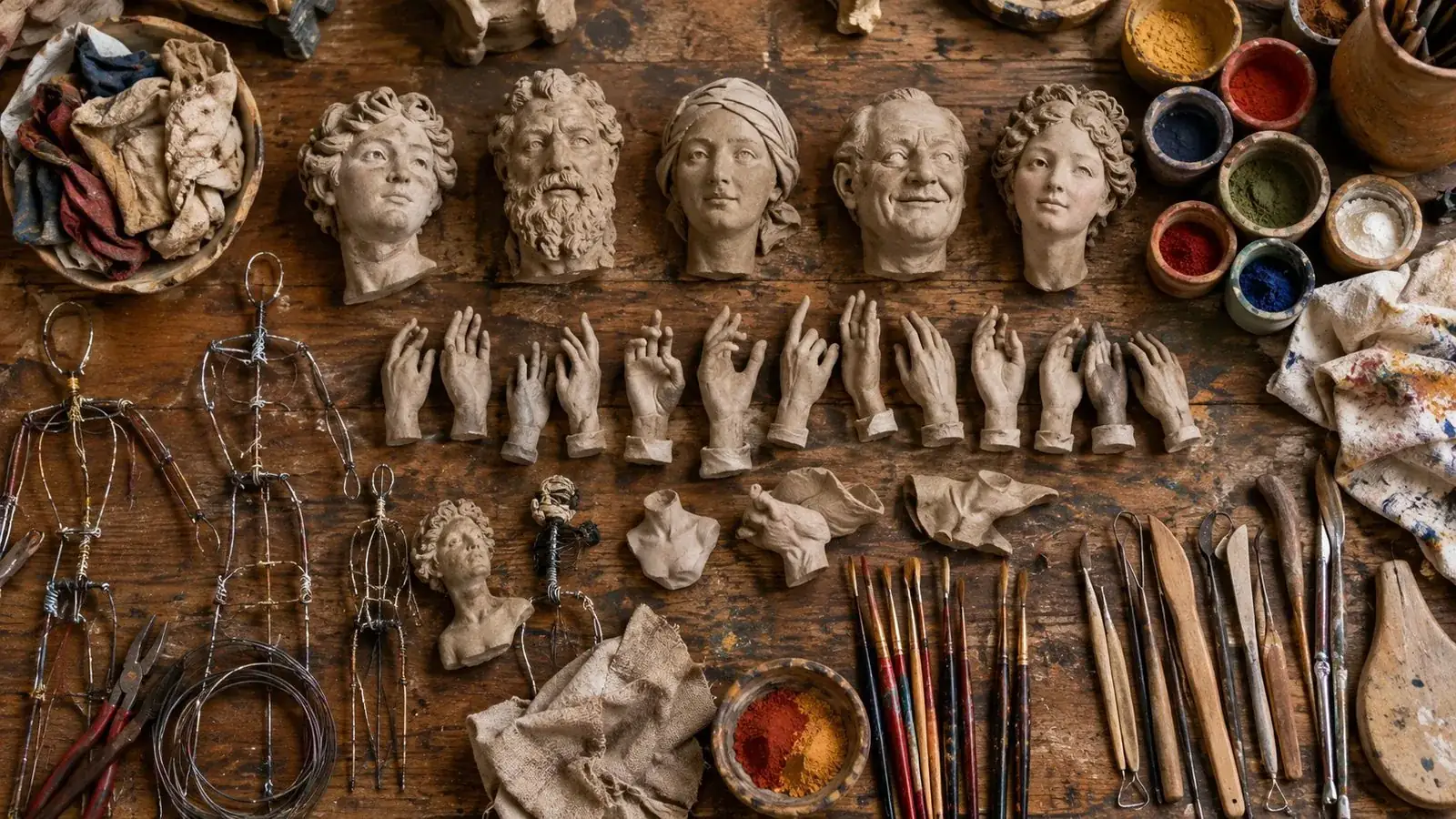
Look for the work. A real bottega models and paints on the premises: wet clay, a bench, brushes, unfired figures drying, somebody with dirty hands at the back. What is displacing them is moulded resin shipped in and sold at the front. That is not my grievance, it is an open dispute. On 14 September 2026 the workshops struck and closed until 14:00 under the banner Salviamo San Gregorio Armeno, protesting at low-cost souvenir shops taking over premises left by closed botteghe. The Comune replied that its commerce regulation — article 13, comma 3, reinforced by a Giunta resolution of 29 June 2026 — permits on this street only the production and sale of presepe art and figures, and an IGP mark for the Neapolitan presepe has been filed. I do not name winners in a live commercial argument. The presepe page sets it out in full.
What a guide adds, and what it does not
Not access. The street is free, and every tour on this site walks it. Not one of them goes into the church at number 1, and you should know that before you pay. What a guide adds is three things: the story, which the street withholds; the decumani the lane hangs off, which is the difference between a shopping alley and the plan of a Greek city; and pre-booked entry to the neighbours that do charge and do sell out. Above all the Museo Cappella Sansevero, where a timed slot is compulsory, entry is €12, it closes on Tuesdays, and there are no refunds.
Which tour depends on what you want. The €48 old-town walk is the most booked and finishes inside the Sansevero at the Veiled Christ, but it is guided in Italian only. The €54 Spaccanapoli walk is priced per group, up to ten people, which makes it the cheap answer for a family of six, and it is the only one built around the presepe; it has no ratings yet, and I would rather write that than dress it up. The €43 street-food walk is the cheapest per head. All six are compared here, the money is here, and whether it is worth it at all is the page where I argue against myself.
Ready to book?
Nothing about the street itself needs reserving, and nothing about it sells out. What does sell out is the timed slot at the Cappella Sansevero next door, which cannot be bought at the door at all. The walks below bundle it in and cancel free up to 24 hours ahead; what it all costs does the arithmetic on whether that is cheaper than buying separately.
Frequently asked questions
Is San Gregorio Armeno free?
Yes. It is an ordinary public street with no gate, no ticket and no closing time, and you can walk it at eight in the morning with nobody in it. The church and cloister at number 1 charge a small amount; the church and cloister has what is known about the hours and the fee.
How long do you need at San Gregorio Armeno?
About ten minutes to walk it end to end without stopping, and half an hour if you look into the workshops properly. In December it takes considerably longer, because the Comune runs the lane one-way on foot — when to come explains why the month matters more than the hour.
Is a guided tour of San Gregorio Armeno worth it?
Not for access, because the street is free. It is worth it for the story, for the decumani the lane hangs off, and for pre-booked entry to the Cappella Sansevero. Is it worth it gives the two-sided version and all the tours compares them.