Is Naples Safe? What the Crime Index Actually Says
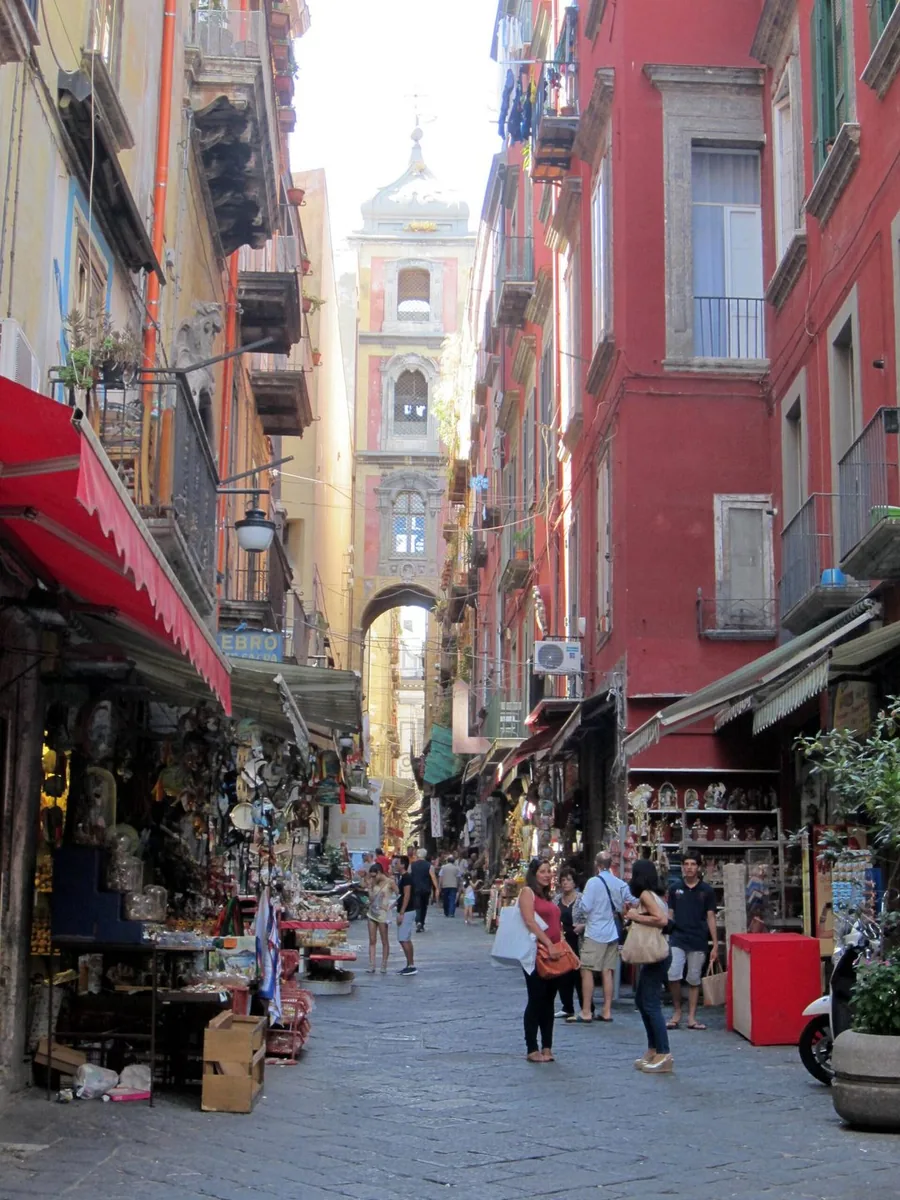
Working out what to book?The lane itself is free and never sold out — you can walk it at eight in the morning with nobody in it. What does sell out is the Cappella Sansevero slot next door, and what you cannot buy at the door is somebody who can tell you why the street is there at all. Both come bundled into the walking tours below, cancellable free up to 24 hours ahead.
See what the tours costThe figures, and where they come from
One index, used consistently, is worth more than five mixed together. Il Sole 24 Ore’s Indice della criminalità 2025 counts 2024 reports across 106 Italian provinces. Naples comes 13th, with 132,499 reports, or 4,478 per 100,000 inhabitants, which is 3,306 down on the previous year.
The top three are Milan, Florence and Rome. Milan runs at roughly 6,952 per 100,000 against Naples’ 4,478. Naples is first in Italy for extortion and smuggling, and I am not going to soften that; those are serious offences and they say something real about the province. They are also not the crimes a visitor on a walking tour is exposed to. For pickpocketing, the crime tourists actually ask about, the order is Florence first, then Rome, Milan, Venice and Bologna.
Why the reputation persists
Because it was earned in a different decade and because it makes better copy than a table of provincial rankings. A city with organised-crime history is a story; a city that ranks below Milan on reported crime is not. My own view, as somebody who grew up two lanes from here: the historic centre in daylight is a crowded, watched, commercially busy place, and crowded watched places are not where anything happens to you. Keep your bag in front of you in a crowd, the same as you would in Florence. That is the whole security briefing.
The one genuine complication is December on San Gregorio Armeno, which is dense enough that the Comune runs it one-way on foot. That is a crowd-management problem rather than a crime problem, and it is described in full on when to go.
Is the tap water safe?
Yes. ABC Napoli, the publicly owned water utility, reports 99.9% of water delivered to buildings as potable. Independent checks put 95 to 96% of individual taps fully potable, and the gap between those two numbers is plumbing inside buildings, not the supply. ABC rejected a PFAS claim in 2026, saying parameters are within limits.
And yet about two thirds of Neapolitans still drink bottled water. That is habit and taste rather than a verdict on the supply. Drink from the tap in a modern building without hesitating; in a very old one, taste it first and decide for yourself. The public fountains in the centre are fed from the same network.
If crowds rather than crime are your concern, a small group with headsets is the practical answer, and the walk above is exactly that: three hours, €48, guided in Italian only. The evening food walk, at €89, is the one that puts you on the streets after dark with a local — both are on all six tours compared.
Use one crime index and stick to it. Mixing the Sole 24 Ore rankings with separate prefecture totals is how the same city ends up described as both safe and dangerous in the same afternoon.
Frequently asked questions
Is Naples safe for tourists?
On Il Sole 24 Ore’s Indice della criminalità 2025, Naples ranks 13th of 106 provinces, with 4,478 reports per 100,000 inhabitants against about 6,952 in Milan. Milan, Florence and Rome are the top three.
Is Naples or Rome safer?
By that index, Naples ranks below Rome: Rome is third and Naples thirteenth. Florence leads on pickpocketing specifically, followed by Rome, Milan, Venice and Bologna.
Is it safe to drink tap water in Naples?
Yes. ABC Napoli reports 99.9% of water delivered to buildings as potable, and independent checks put 95 to 96% of individual taps fully potable, the gap being building plumbing. About two thirds of Neapolitans drink bottled water anyway, out of habit.
Why does Naples have a bad reputation?
It is first in Italy for extortion and smuggling, which is real and is not a visitor-facing crime, and the reputation outlives the current figures. In the historic centre the practical issue is crowding, not crime — see when to go.